SchoolFood4Change (SF4C) is helping schools across Europe move towards healthier and more sustainable food systems. Its new video introduces the Triple Approach, a practical model designed to support schools, local authorities, and communities in creating long-lasting improvements in the way children eat and learn about food.
Across the continent, one in three children is overweight, small farms are disappearing, and many families have lost a direct connection with food production. SF4C focuses on the place where habits begin: schools. By working with children from early childhood to adolescence, the project aims to generate systemic change that benefits health, the environment, local economies, and communities.
The Triple Approach is built on three pillars:
- Sustainable procurement – Schools adopt purchasing practices that prioritise fresh, seasonal, and local food, supporting small farmers, reducing environmental impact, and aligning with the EU Farm to Fork strategy. This approach strengthens local supply chains and makes healthy food more accessible.
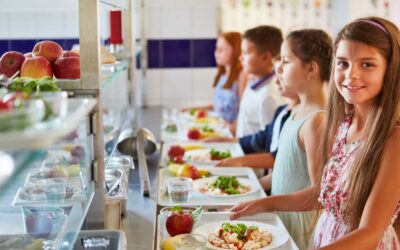
- Empowered kitchens – Cooks and kitchen teams receive targeted training to prepare high-quality, nutritious, and appealing meals every day. The focus is on practical skills, plant-based and regional menus, reduction of food waste, and efficient kitchen organisation. Empowered kitchen staff become key actors of change inside schools.
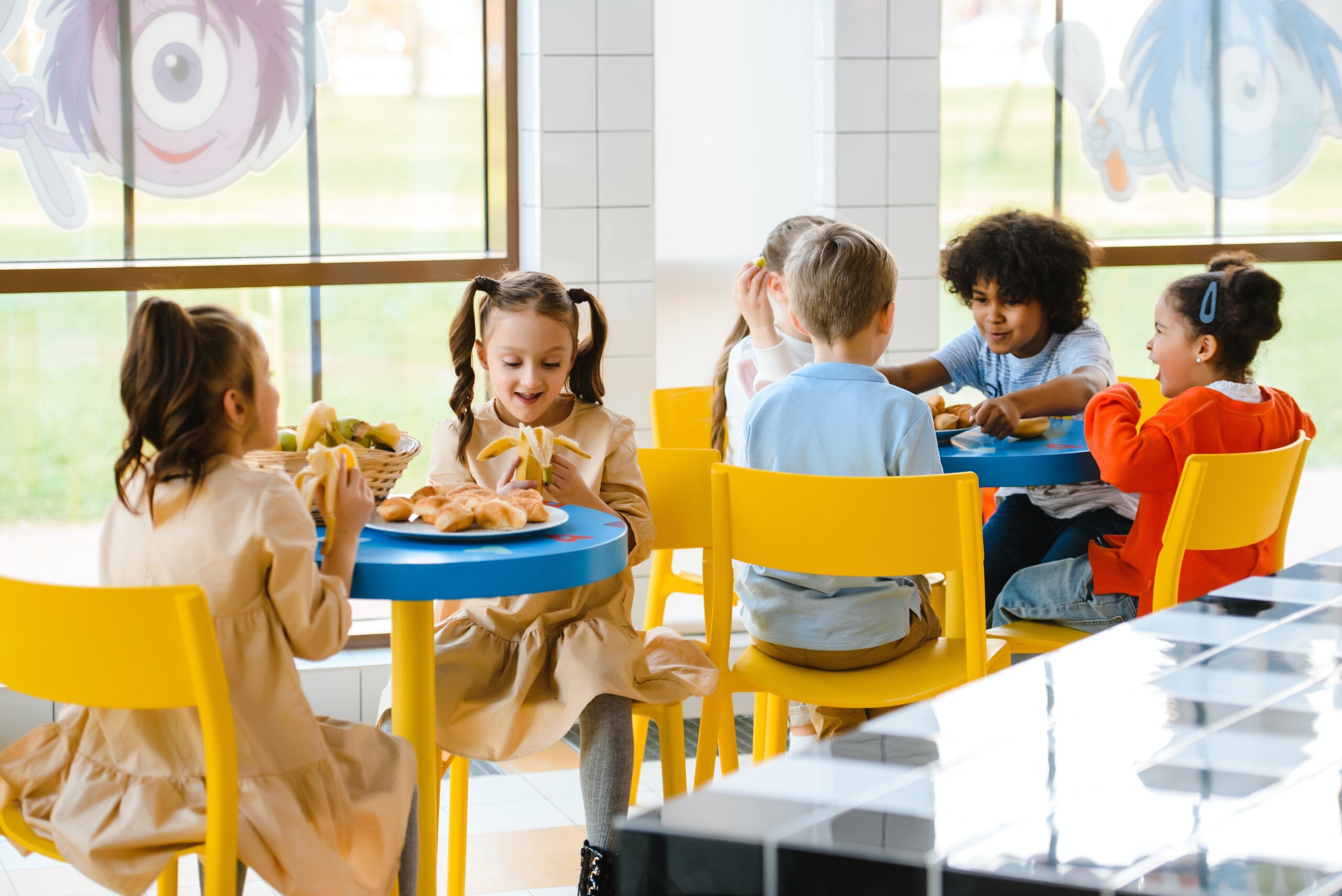
- The Whole School Food Approach – Food education goes beyond the canteen. Through the Whole School Food Approach, schools engage teachers, families, farmers, and community organisations in a shared effort to build food literacy and healthy habits. Gardens, workshops, curriculum integration, and community events help children develop lifelong food skills.
To date, the SchoolFood4Change model has reached over one million children, involving more than 3,000 schools and 600,000 students directly across 12 European countries. The project is implemented by a consortium of 33 partners, including municipalities, universities, NGOs, and sustainability organisations.
As a project partner, Fondazione Ecosistemi contributes by promoting sustainable public procurement and supporting the integration of environmental and social criteria in school food systems. This work helps cities adopt greener and more responsible purchasing practices, making the Triple Approach a scalable model for Europe.
The message of the new video is clear: the impact is real, and the challenge continues. Scaling up the Triple Approach can bring tangible benefits to communities and accelerate progress towards more sustainable, fair, and healthy food systems for all.
Watch the video HERE.
Learn more: www.schoolfood4change.eu