
On 27 and 28 May 2026, Forum Compraverde Buygreen returns to Rome at WeGil (Largo Ascianghi 5). The event is the leading national and European platform dedicated to Green Public Procurement (GPP) and sustainable purchasing policies, promoted by Fondazione Ecosistemi. The 2026 edition marks an important milestone: the 20th edition of the States General of Green Public Procurement, taking place at a crucial moment for Europe, as the revision of the EU Public Procurement Directive and the reshaping of European industrial and climate policies are underway.
Forum Compraverde Buygreen 2026: the 20th edition of the General Assembly on Green Procurement will be held in Rome on 27 and 28 May
18 February 2026
News
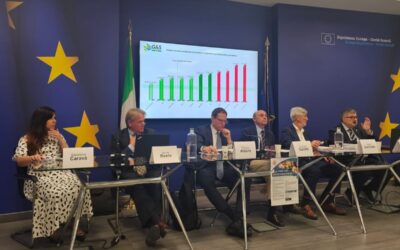
The end of greenwashing? The new challenge is proving sustainability
With the entry into force of Directive (EU) 2024/825, environmental communication is entering a new era. Generic environmental claims and unsupported sustainability statements will face increasing scrutiny. The real challenge is no longer simply to communicate sustainability, but to demonstrate it through objective, transparent and verifiable evidence. This was the central theme of “The End of Greenwashing?”, an event held in Rome as part of the European Climate Pact.
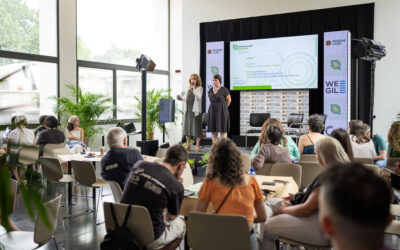
ParkConnect: Young Europeans, Educators and Park Managers Meet in Rome to Discuss the Future of Urban Green Spaces
Urban parks can be much more than simple green areas. They can become places for learning, participation and connection between people, communities and nature. This vision inspired “Grafts: conversations on urban parks and connected green spaces”, the international event organised in Rome as part of the Erasmus+ ParkConnect project and hosted within the Forum Compraverde Buygreen 2026.
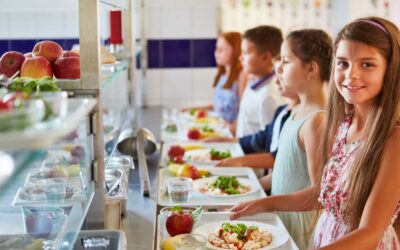
Public Food as a Climate Lever: The Rome Model Cuts Emissions by Up to 33%
School meals can become a powerful tool for climate action. This is the key finding of an analysis carried out by Fondazione Ecosistemi in collaboration with the Climate Office of Rome Capital on the city’s new public school catering contract. By increasing plant-based menus, organic products and local supply chains, the Rome model is able to reduce emissions associated with school catering by up to 33%, while generating environmental, social and economic benefits.